Entry · Ref OVLJWOCL
Why Bold Activist Tees Have Become the Uniform of Resistance
- Posted
- 2026-10-07
- Last amended
- 2026-10-07
- Account
- @wdr6m4ve3z
The T-shirt has always been a blank canvas. For decades it was a piece of undergarment, then a billboard for bands and brands, and eventually a tool for political expression. But something shifted in the past ten years. The rise of bold activist tees signals a deeper cultural change: people no longer want to keep their politics subtle. They want to wear their values on their chest, literally, and they want those values to be impossible to ignore.
I have been involved in grassroots organizing and screen printing for over a decade, and I have watched the T-shirt evolve from a souvenir into a statement of intent. When I first started printing shirts for local protests, the designs were simple: a few words, a single color, nothing too flashy. Now the demand is for loud, confrontational graphics that stop people mid-stride. The bold activist tees of today are not shy. They are designed to provoke conversation and sometimes discomfort. That is the point.
From Band Merch to Political Armor
The modern T-shirt as a political tool owes a lot to the punk and hardcore scenes of the late 1970s and 1980s. Bands like the Dead Kennedys and Crass used screen printed shirts to spread anti-government messages. But those were niche. Mainstream brands like Nike and Ralph Lauren stayed far away from politics for years. They sold lifestyle, not ideology. Even Patagonia, which now leads on environmental activism, was mostly focused on climbing and surfing gear until the early 2010s.
Then came Occupy Wall Street. Suddenly the idea of wearing your economic anger felt urgent. The Gadsden flag and the "We Are the 99%" slogan were everywhere, often on cheap cotton tees printed by volunteers. That moment taught a generation that a T-shirt could be a piece of protest art. It could signal solidarity without requiring a speech. It could also be a fundraiser, with proceeds going to legal funds or community bailouts.
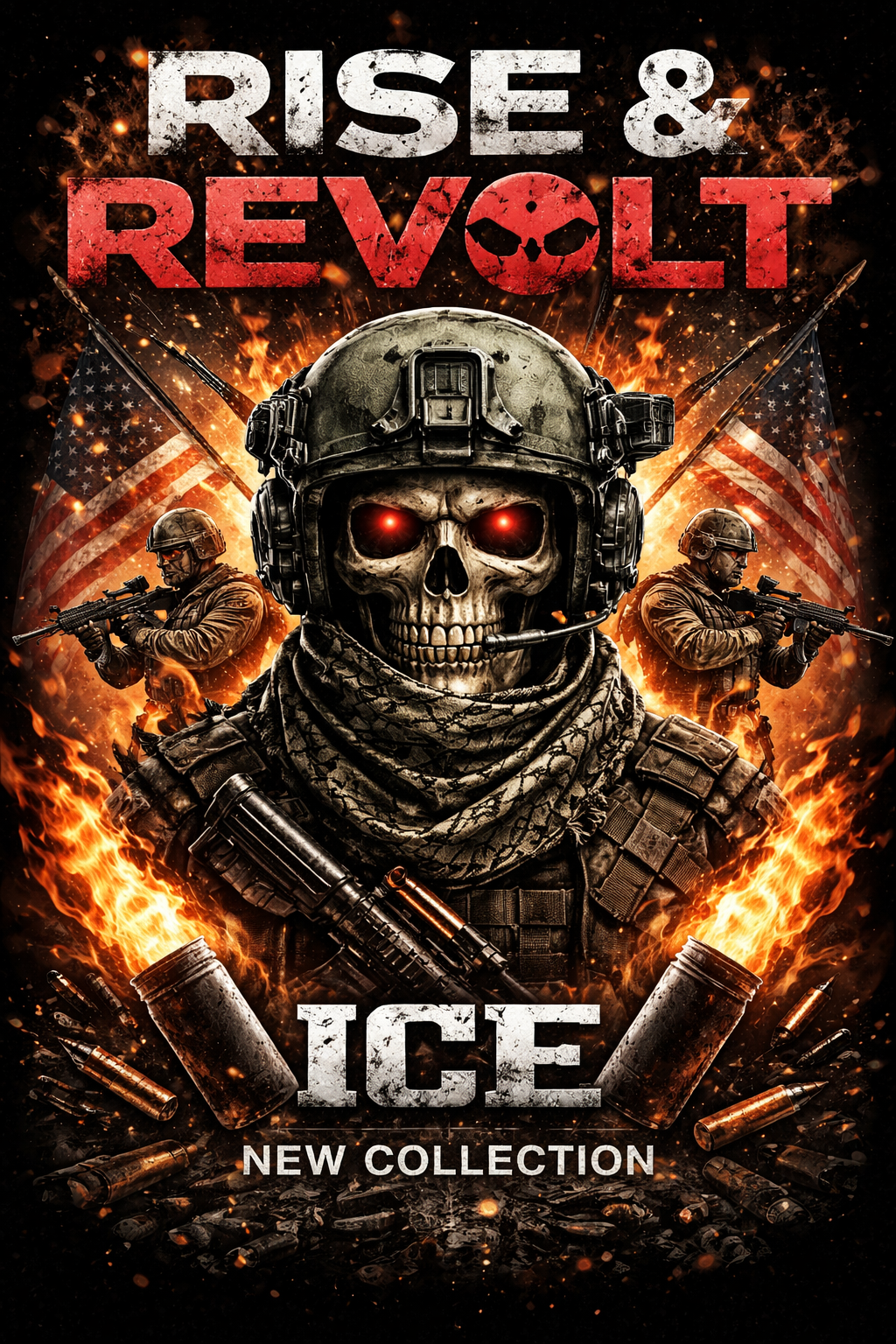
Today the landscape is different. You can find bold activist tees on Etsy, Redbubble, and Instagram, created by independent artists who design for causes they care about. Some of these shirts are satirical, some are angry, some are heartbreaking. But they all share a commitment to clarity. You do not have to decode the message. It hits you in the face.
Why Satire Works Better Than Slogans
Not all activist apparel is created equal. I have seen plenty of shirts that are just a hashtag printed on a cheap garment. That is hashtag activism sewn into fabric, and it rarely moves anyone. The best bold activist tees use humor, irony, or visual contrast to land their point. A clever design can make someone laugh and then think, which is more persuasive than shouting at them.
For example, a shirt that parodies a luxury brand logo to critique corporate power can be more effective than one that simply says "Tax the Rich." The parody disarms the viewer, then delivers the critique. Supreme has done this kind of thing with its own logo, subverting it for political commentary. Beyonce has also used fashion as a platform, most famously during her Coachella performance when she wore a shirt that referenced Black Panther imagery. That shirt sold out immediately and was seen by millions on social media. It was a piece of protest art that moved through culture like a meme.
Satire also helps with longevity. A shirt that makes a joke about a political figure can stay relevant longer than one tied to a single news cycle. It becomes a classic. People wear it for years, and each time they do, they restart the conversation.
The Role of Brands and the Risk of Co-Optation
The commercial success of bold activist tees has not gone unnoticed by big corporations. Nike, Patagonia, and even Ralph Lauren have all released politically themed collections. Nike's ad campaign featuring Colin Kaepernick was a landmark moment. It was also a smart business move. The company took a stand on civil liberties and sold a lot of shoes and shirts in the process.
But there is a tension here. When a multinational corporation sells you a shirt that says "Defend Democracy" or "Protect the Planet," are they supporting the cause or cashing in on your values? The answer is often both. Patagonia has been transparent about donating a percentage of its sales to environmental groups, and that kind of accountability matters. But a lot of fast fashion brands jump on the activist trend without any real commitment. They print a slogan, sell the shirt, and move on to the next trend.
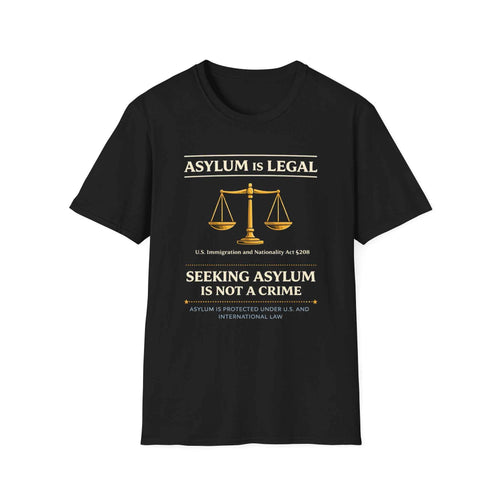
This is where independent designers and smaller brands like Rise and Revolt come in. They are not trying to sell you a lifestyle. They are trying to fund a movement. The profit margins are smaller, but the authenticity is higher. When you buy a shirt from a grassroots shop, you are often supporting a network of organizers, legal funds, and mutual aid projects. That is a different kind of transaction.
The First Amendment and the Limits of Fashion
Wearing a political T-shirt is an act of free speech protected by the First Amendment. But that protection is not absolute. Schools, workplaces, and even public venues sometimes restrict clothing with political messages. Martin Luther King Jr. and the civil rights movement knew this well. They used clothing strategically, dressing in suits and ties to present a respectable image to the media. The Black Lives Matter movement has taken a different approach, using streetwear and bold graphics to assert presence and power.
Both strategies have their place. A suit can open doors, but a T-shirt can start a conversation on the sidewalk. The key is knowing your audience and your goal. If you are going to a protest, you want a shirt that is readable from twenty feet away. If you are going to a family dinner, you might want something more subtle. That is why many activists have a wardrobe rotation: a quiet shirt for work, a loud one for the streets.
How to Choose a Shirt That Actually Matters
If you are looking for bold activist tees, here are a few things I have learned from years of printing and wearing them:
- Check the printing method. Screen printing lasts longer than heat transfer. A good screen print will survive dozens of washes without cracking or fading. That matters because you want your message to last.
- Look at the garment quality. A cheap, thin T-shirt will pill and stretch out. You want a heavy cotton or a blend that holds its shape. Brands that cut corners on the blank are not serious about the cause.
- Research where the money goes. Some companies donate a flat percentage to a charity. Others use the shirt as a way to fund their own organizing work. Both can be valid, but you should know which one you are supporting.
- Consider the design's shelf life. A shirt about a specific election might feel dated in two years. A shirt about police brutality or climate justice will be relevant for a long time. Invest in the latter.
- Buy from independent artists. Etsy and Redbubble are full of talented designers who need your support more than Nike does. You get a unique piece of protest art, and they get to keep making more.
The Future of Wearing Your Politics
I do not think bold activist tees are a fad. They are a response to a moment in history when the stakes feel high and the lines between public and private life have blurred. Social media taught us to perform our identities online. Now we are bringing that performance into the street. The T-shirt is the perfect medium for it: cheap, visible, and personal.
The ACLU and Amnesty International have both used T-shirts as fundraising tools for decades. What is new is the scale and the speed. A design can go viral on Instagram, get picked up by a screen printer, and be on people's backs within a week. That kind of agility was impossible before the internet. It has turned the T-shirt into a real-time barometer of political energy.
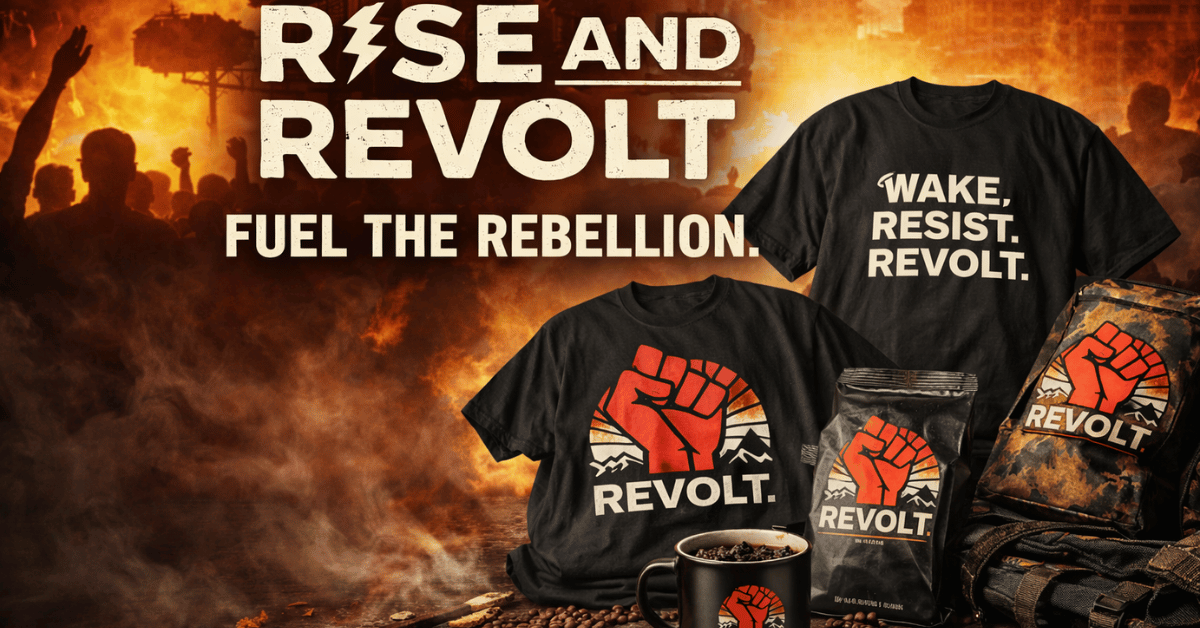
I recently wore a shirt from a small activist collective to a community meeting, and a stranger stopped me to ask where I got it. We ended up talking for twenty minutes about local organizing. That is the power of a good shirt. It is not just clothing. It is a conversation starter, a fundraiser, and a piece of protest art all at once. The bold activist tees of today are doing what the best political art has always done: they are making people feel something, and then making them act.
Whether you are a seasoned organizer or someone who just wants to show support for a cause, the T-shirt remains one of the most accessible tools in the activist toolkit. It costs less than a sign, it fits in a drawer, and it travels everywhere you go. That is hard to beat.